Project Photography Tips For Luxury Home Remodelers
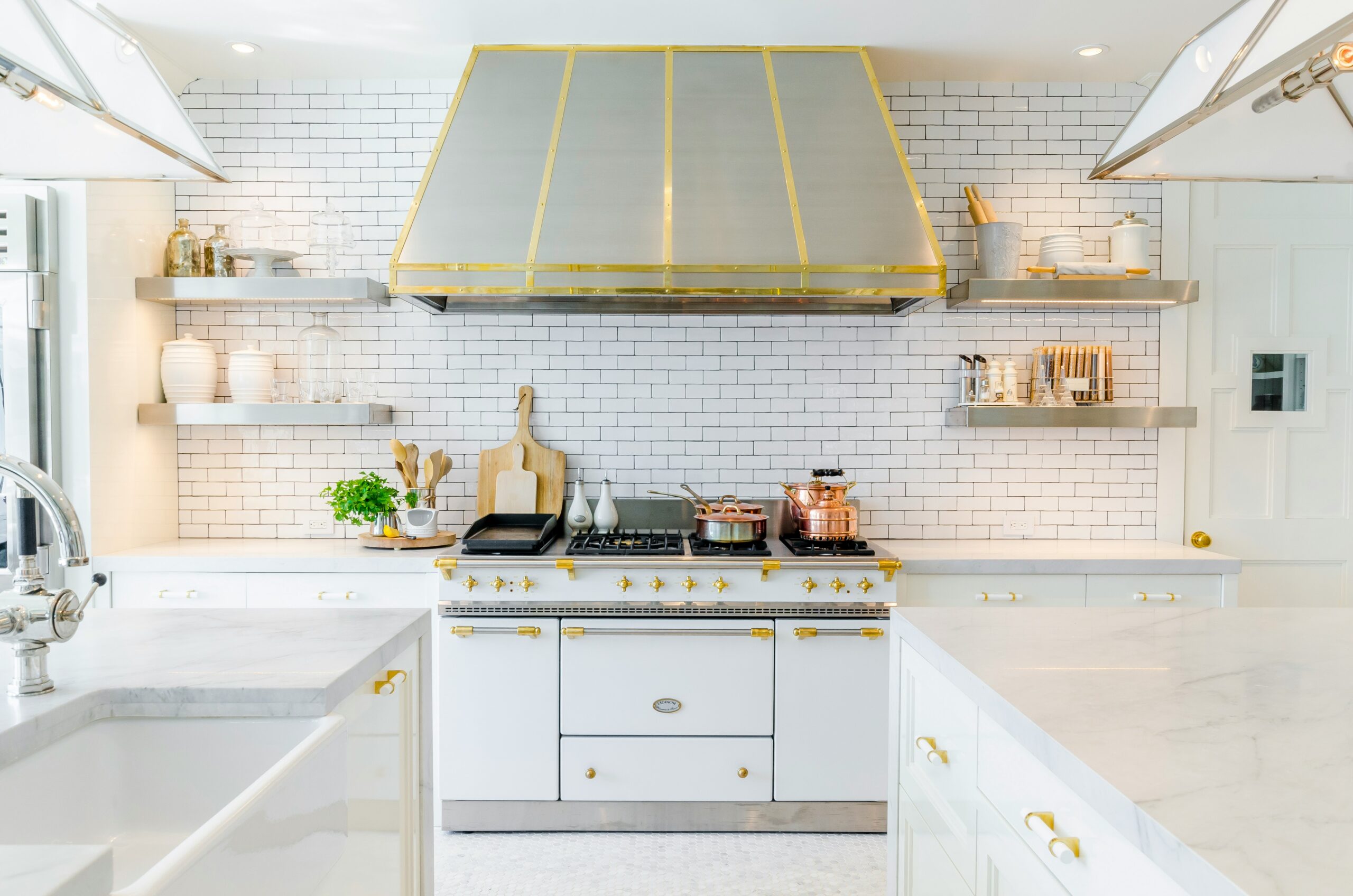
One of the most common mistakes luxury builders make is showcasing their work in the same photography style as a real estate listing.
As a luxury home remodeler, your website portfolio is a sales tool. And the photography has to be planned for that purpose from the start.
Here are some actionable project photography tips you can use to ensure you’re showing your work in its best light.
Real estate photography vs renovation portfolio photography
Real estate photography and renovation portfolio photography are not the same thing. And treating them as interchangeable is costing builders leads they’ll never know they lost.
Real estate photography optimizes for space. It wants rooms to look large, light, and easy to imagine living in. It’s shot wide, often with a slight upward tilt, and processed to be bright and neutral.
Portfolio photography for a luxury remodeler has a completely different job. It needs to convey craft. Materiality. The quality of the decisions. It needs to make a prospective client want to pick up the phone and say, “I want this for my home.”
Those are different images. And they require a different briefing before the photographer ever arrives on site.
What types of photos to include in a renovation project portfolio
Before I talk about the practical details, it’s worth understanding how a prospective client actually moves through a portfolio online.
They don’t linger on wide shots the way you might expect. They scan them quickly, getting the overall impression, and then they slow down on detail images.
Details like a close-up of the way a drawer front meets the countertop. The texture of a stone backsplash in natural light. The precise reveal of an inset cabinet door.
These are the images that communicate craftsmanship to someone who cares about craftsmanship. And they’re often the images that don’t get taken because wide shots are faster, and because most photographers default to what they know.
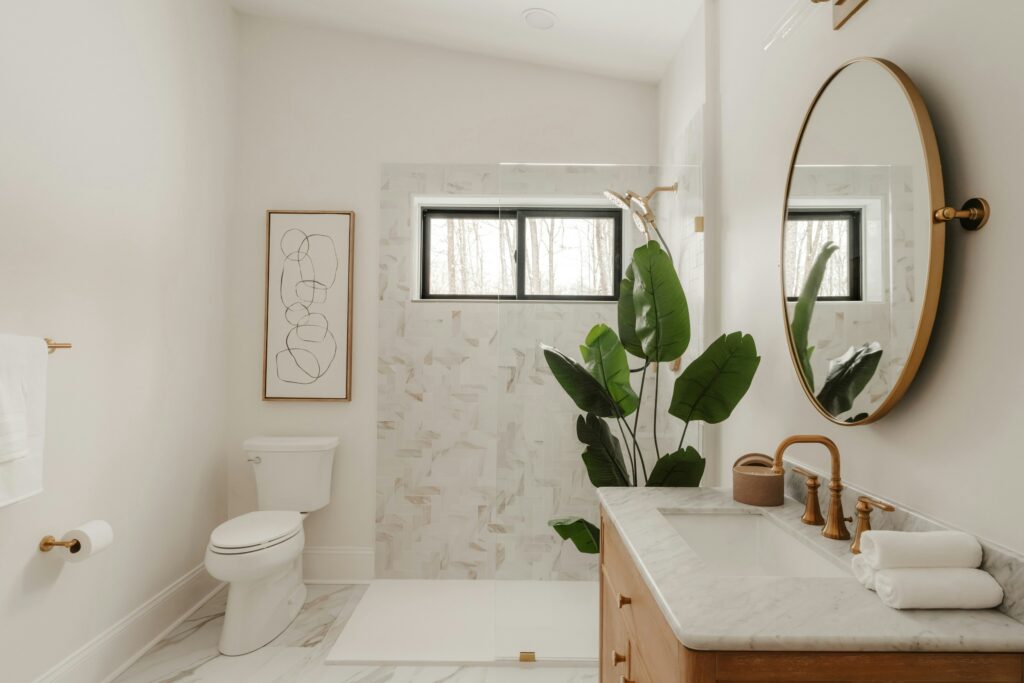
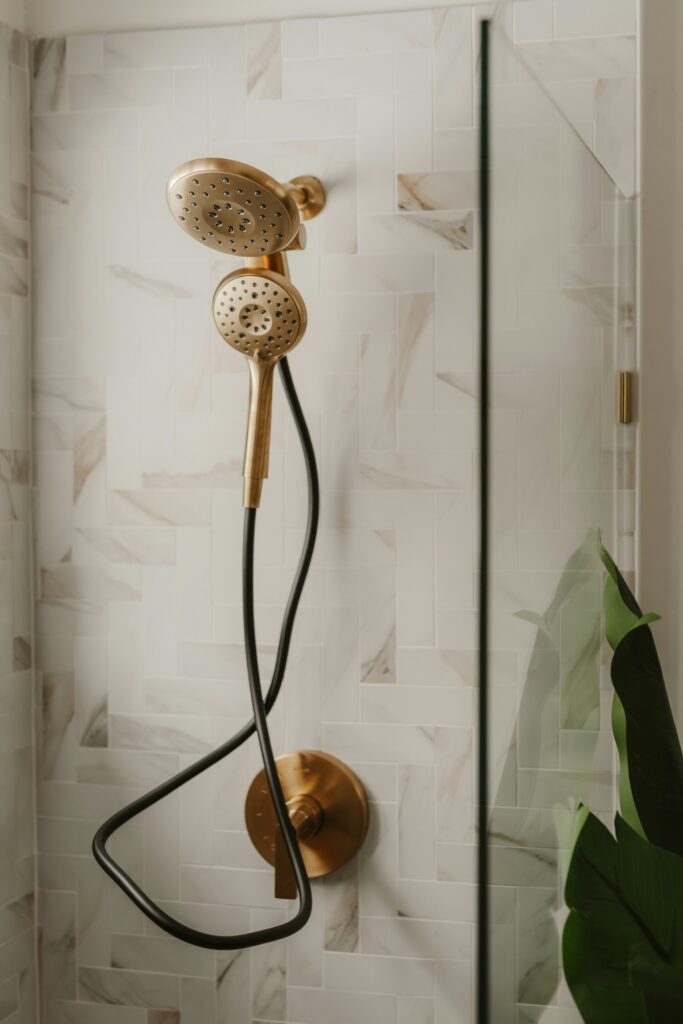
Don’t stop at the wide shot! Your website portfolio should also feature images that show the subtle details of a renovation.
Shot list for photographing a luxury home remodel
Establish shots, two or three per space –
These are the wide or three-quarter-angle images that give context. They don’t need to show the entire room, in fact, a slightly tighter frame often feels more editorial and less like a listing. Natural light where possible. Shoot during the golden hour if the space allows it.
Material close-ups, four to six per space –
This is where your craftsmanship really sells it. Whether it’s a focus on a wood texture or the pattern of a marble countertop. The edge detail on a custom island. The unique pattern of the tile. These images are often more powerful than the wide shots for a discerning prospect because they show exactly what kind of attention is being paid.
Signature details, one or two per project –
Every great renovation has a moment…a detail that captures the spirit of the whole project. It could be a custom range hood. An integrated refrigeration panel. A fireplace surround with an unexpected material choice. Identify it before the shoot and make sure the photographer knows to treat it as a hero image.
Lifestyle context, one or two per project –
Lifestyle photos help prospective clients imagine themselves living in the image. An image of morning light falling across a kitchen island, or place settings on a dining table in a renovated space or a couple of examples that can give a portfolio the warmth of a lived-in home rather than a staged model. Done well, it’s the image that makes someone feel the renovation rather than just seeing it.
(As a side note, shelter magazines also prefer lifestyle photographs. So if you’re hoping to get some PR from a recent renovation, be sure to capture quite a few lifestyle images you can send to editors.)
What to tell a photographer on your next project
The brief you give interior photographers will determine the images you have to work with afterward.
A few things worth specifying explicitly:
Shoot for vertical formats as well as horizontal –
You’ll need vertical photos to show your projects on social media, but website design also increasingly favors vertical imagery for portfolio galleries and for mobile-responsive webpages. A photographer shooting only in landscape orientation gives you fewer options for how your work can be presented.
Request ambient light images separately from artificially lit ones –
Natural light images tend to feel warmer and more editorial. Artificial lighting images can feel colder and more showroom-like. You want both, so you can choose by context.
Ask for the detail shots first –
It’s easy for a photographer to spend the first hour on the wide shots and then rush the close-ups at the end because they’re running out of time or light. Set the expectation at the start: details are a priority.
Tell the photographer what makes this project special –
You know where the craft lives in this renovation. So tell the photographer what to focus on. Things like, “The joinery on this island is where I’d spend some time.” Or “Be sure to capture the way the stone was book-matched on this fireplace.” Give them the story so they can capture it.
Why project photography matters for luxury home remodelers
Your prospective clients are making decisions about $100,000 to $600,000+ projects based, in part, on what they see on your website.
They are trying to determine whether you are capable of the level of work they want done in their home.
Remember, a photo speaks 1,000 words.
Do your project photos say, “We’re just like every other kitchen remodeler“…or, “Imagine how peaceful your mornings would feel if you could enjoy your coffee in a luxuriously appointed kitchen like this.”
A note on how Haven Design Studio approaches portfolio photography in web design projects
Part of what I do at Haven is review your existing photography library and help you understand which images are working for you online and which ones aren’t translating to the web the way they should.
If you’re curious whether your current photography is holding your portfolio back, a discovery call is a good place to start that conversation.
Haven Design Studio builds strategic websites for luxury home remodelers and custom builders in Denver, Colorado and beyond. If your current website portfolio isn’t doing justice to your best projects, let’s talk.


Be the first to comment